
Dr. Despina A. Gkika
Hephaestus Laboratory
School of Chemistry-Faculty of Sciences
Democritus University of Thrace
GR 65404 Kavala, Greece
Email: degkika@chem.duth.gr






Safety in university chemistry laboratories
Examples of papers analyzing the safety in university chemistry laboratories:
D.A. Gkika, N. Vordos, L. Magafas, A.C. Mitropoulos, G.Z. Kyzas, Risk return profile of nanomaterials, Journal of Molecular Structure 1228 (2021) 129740 — doi:10.1016/j.molstruc.2020.129740
.
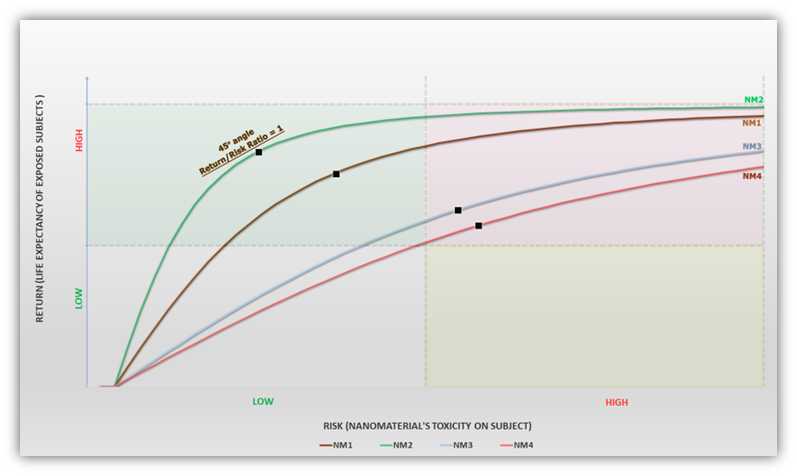
Since the emergence of nanotechnology as an up and coming technology of the future and the inclusion of new nanomaterials, either natural or synthetic, in all kinds of applications, there have been many discussions regarding their risk and possible returns. The aim of this paper is to offer a rigorous analysis of risk versus returns relationship for nanomaterials. Special attention is given to the application of the Probit model. This model aims to pave the way for many different research perspectives and applications discussed eventually in the present work. To investigate its performance, its predictive risk/returns efficient frontiers for nanomaterial risk are firstly analyzed. The study demonstrates considerable promise, in terms of the ability to explore the connection between risks related to nanomaterial use and the potential returns in life expectancy, to identify the optimum material in a group. The incentive of this work lies in our belief that further understanding of the potential returns can be achieved by focusing on exploring low-risk nanomaterials to endorse both scientific and social objectives.
D.A. Gkika, N. Vordos, A.C. Mitropoulos, G.Z. Kyzas Economic evaluation during physicochemical characterization process: A cost-benefit AnalysisChemEngineering 9 (2025) Article 95 — doi:10.3390/chemengineering9050095
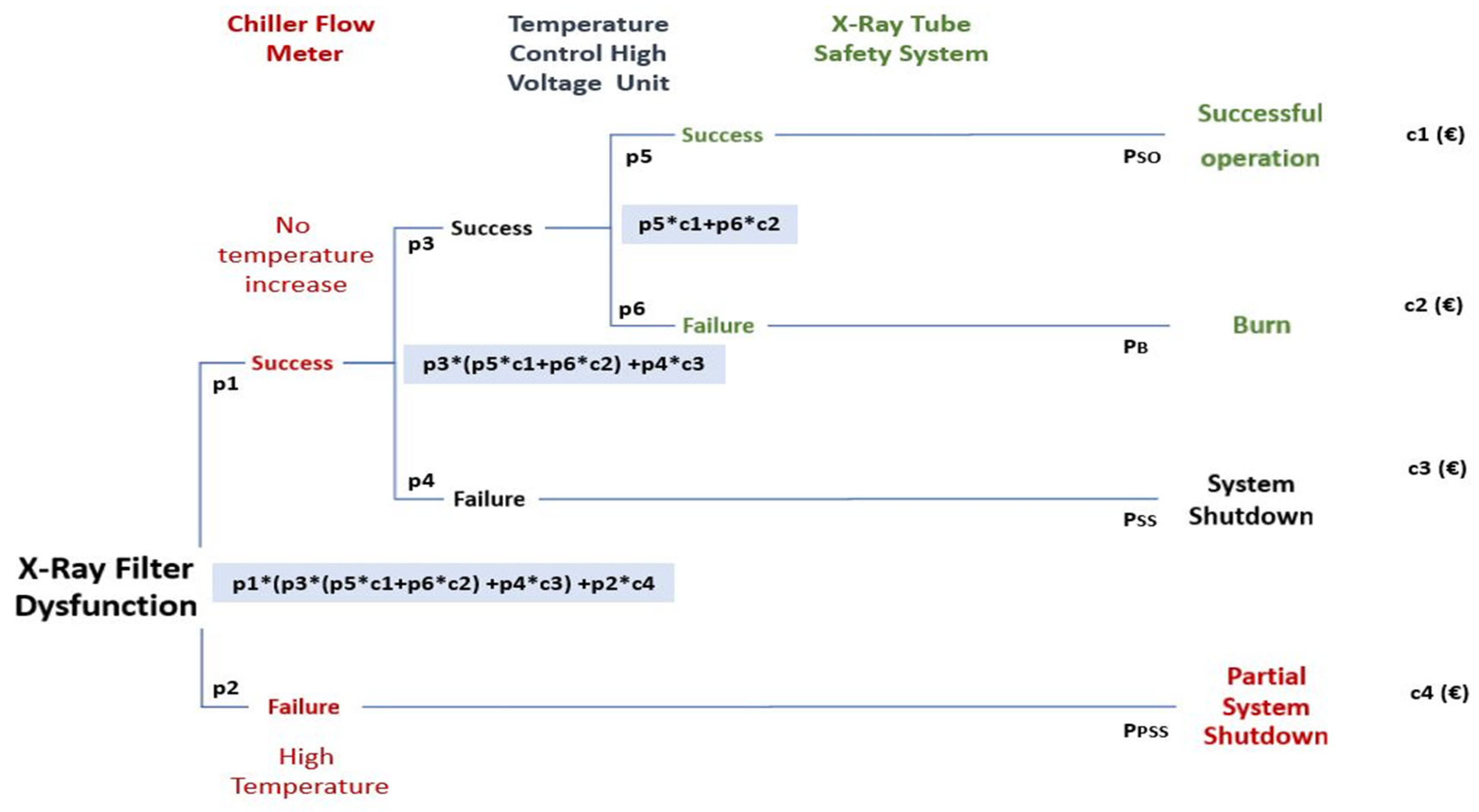
As academic institutions expand, the proliferation of laboratories dealing with hazardous chemicals has risen. While the physicochemical characterization equipment employed in these academic chemical laboratories is widely recognized, its usage presents a notable risk to researchers at various levels. This paper presents a simplified approach for evaluating the effects of the implementation of prevention investments in regards to working with nanomaterials on a lab scale. The evaluation is based on modeling the benefits (avoided accident costs) and costs (safety training), as opposed to an alternative (not investing in safety training). Net Present Value (NPV) was valuated. The results of cost benefit analysis demonstrated that the benefits exceed the cost of the investment. The findings from the sensitivity analysis highlight the significant influence of insurance benefits on safety investments in the specific case study. The probabilistic results revealed that the NPV ranges between 283.053 and 337.356 and suggests that the safety investment is profitable with a 90% probability. To the best of the researchers' knowledge, this is the first study that evaluates the influence of safety investment through an economic evaluation of laboratory accident with Small Angle X Ray scattering during physicochemical characterization process